


How Laser Tattoo Removal Works

Tattoos are a popular form of self-expression, but sometimes we change our minds. Whether it’s a design that no longer fits your style or a reminder of a past you want to move on from, removing a tattoo can feel like a fresh start. Laser tattoo removal is the most common and effective way to fade or erase unwanted ink. But how exactly does it work? Let me walk you through the process and what you can expect.
What Happens During Laser Tattoo Removal
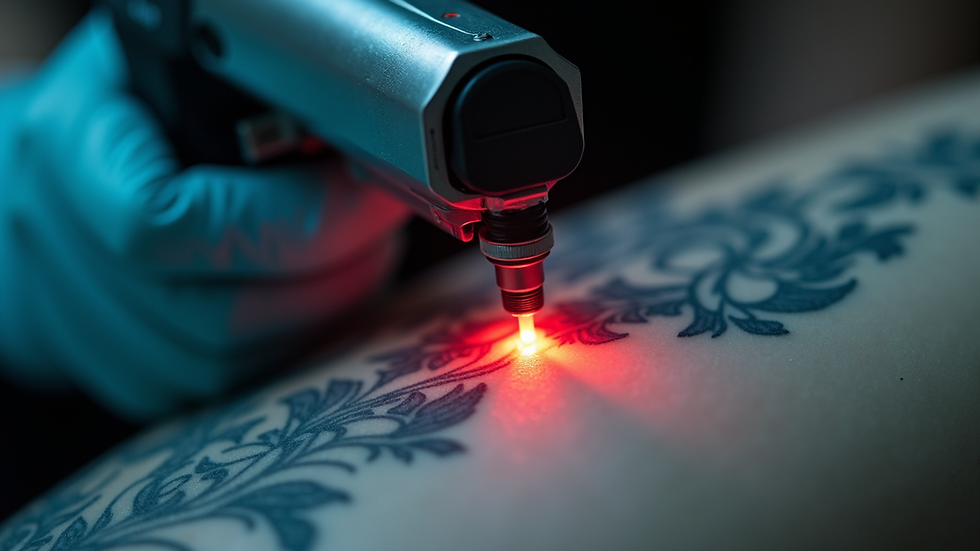
Laser tattoo removal uses focused light energy to break down the ink particles in your skin. The laser emits short pulses of high-intensity light that pass through the top layers of skin without harming them. When the light hits the tattoo ink, it causes the ink particles to heat up and shatter into smaller pieces.
Your body’s immune system then steps in to clear away these tiny ink fragments over time. This gradual process means that multiple sessions are usually needed to remove a tattoo completely. The number of treatments depends on factors like the tattoo’s size, color, and how deep the ink sits in your skin.
The lasers used vary in wavelength to target different ink colors. For example, black ink absorbs all laser wavelengths, making it the easiest to remove. Colors like green, blue, and yellow require specific laser types for effective treatment.
Why Choose Professional Laser Tattoo Removal Services
When considering tattoo removal, it’s important to go to a trusted professional who specializes in this treatment. For instance, NewSkin Tattoo Removal in New England focuses solely on helping people achieve their desired results, whether that means full removal, partial fading, or lightening a tattoo for a cover-up.
They use advanced laser technology designed to treat a wide range of tattoo colors safely and effectively. Their team understands how to adjust laser settings based on your skin type and tattoo characteristics, which helps minimize side effects like scarring or skin discoloration.
Professional clinics also provide thorough consultations to set realistic expectations. Tattoo removal is a gradual process, and knowing what to expect helps you plan your sessions and care routine.
What to Expect During and After Treatment
Each laser tattoo removal session usually lasts between 10 to 30 minutes, depending on the tattoo size. You might feel a snapping sensation on your skin, similar to a rubber band flick. Some clinics offer numbing creams or cooling devices to make the process more comfortable.
After treatment, your skin may look red and swollen, like a mild sunburn. This reaction typically fades within a few days. It’s important to follow aftercare instructions carefully, such as keeping the area clean, avoiding sun exposure, and not picking at scabs.
Healing time between sessions is usually 6 to 8 weeks. This gap allows your body to clear the broken-down ink and your skin to recover before the next treatment.
Comparing Laser Technologies for Tattoo Removal
There are different types of lasers used for tattoo removal, each with its strengths. Two common options are Q-switched lasers and picosecond lasers.
Q-switched lasers deliver high-energy pulses in nanoseconds. They have been the gold standard for years and work well on many tattoo colors.
Picosecond lasers emit even shorter pulses, in picoseconds, which can break ink into smaller particles.
NewSkin Tattoo Removal uses state-of-the-art laser systems combined with over 15 years experience specializing only in laser tattoo removal.

Factors That Affect Tattoo Removal Success
Several factors influence how well laser tattoo removal works:
Tattoo age: Older tattoos tend to fade more easily because the ink has already broken down somewhat over time.
Ink color: Black and dark blue inks respond best. Bright colors like yellow and green are harder to remove.
Ink depth and quality: Professional tattoos usually have ink deeper in the skin, which can make removal slower. Amateur tattoos may fade faster.
Skin type: Skin color and sensitivity affect how your skin reacts to laser treatment.
Aftercare: Following your provider’s instructions helps prevent complications and supports healing.
Understanding these factors helps set realistic expectations. For example, if you have a colorful, professional tattoo, it might take more sessions to see significant fading.
Why Lightening a Tattoo Can Be a Good Option
Sometimes, full removal isn’t necessary. Lightening a tattoo can prepare the skin for a cover-up or simply reduce the tattoo’s visibility. Laser treatments can be adjusted to fade the ink without completely erasing it.
This option is great if you want to transform your tattoo into a new design or just want it less noticeable. Clinics like NewSkin Tattoo Removal offer personalized plans to help you achieve the look you want.
Safety and Risks of Laser Tattoo Removal
Laser tattoo removal is generally safe when performed by trained professionals. Still, it’s important to be aware of possible side effects:
Temporary redness, swelling, or blistering
Changes in skin color (hyperpigmentation or hypopigmentation)
Scarring (rare with proper care)
Choosing a reputable clinic reduces these risks. They will assess your skin and tattoo, explain the process, and monitor your progress closely.
How to Prepare for Your Laser Tattoo Removal Session
Before your appointment, avoid sun exposure and tanning on the area to be treated. Sunburned or tanned skin can increase the risk of side effects.
Avoid applying lotions, perfumes, or makeup on the day of treatment. Wear comfortable clothing that allows easy access to the tattoo.
Discuss any medications or skin conditions with your provider. Some medications can affect healing or increase sensitivity.
Final Thoughts on Laser Tattoo Removal
Removing a tattoo is a personal journey, and laser treatment offers a reliable way to make it happen. It takes patience and care, but the results can be life-changing.
If you’re considering this option, look for a specialist like NewSkin Tattoo Removal who focuses on helping people achieve their goals safely and effectively. Whether you want full removal, partial fading, or lightening for a new tattoo, professional guidance makes all the difference.
Taking the first step means scheduling a consultation to discuss your tattoo and what you want to achieve. From there, you’ll get a clear plan tailored just for you.
Ready to start your tattoo removal journey? Reach out to a trusted clinic and see how laser technology can help you move forward with confidence.


Comments